
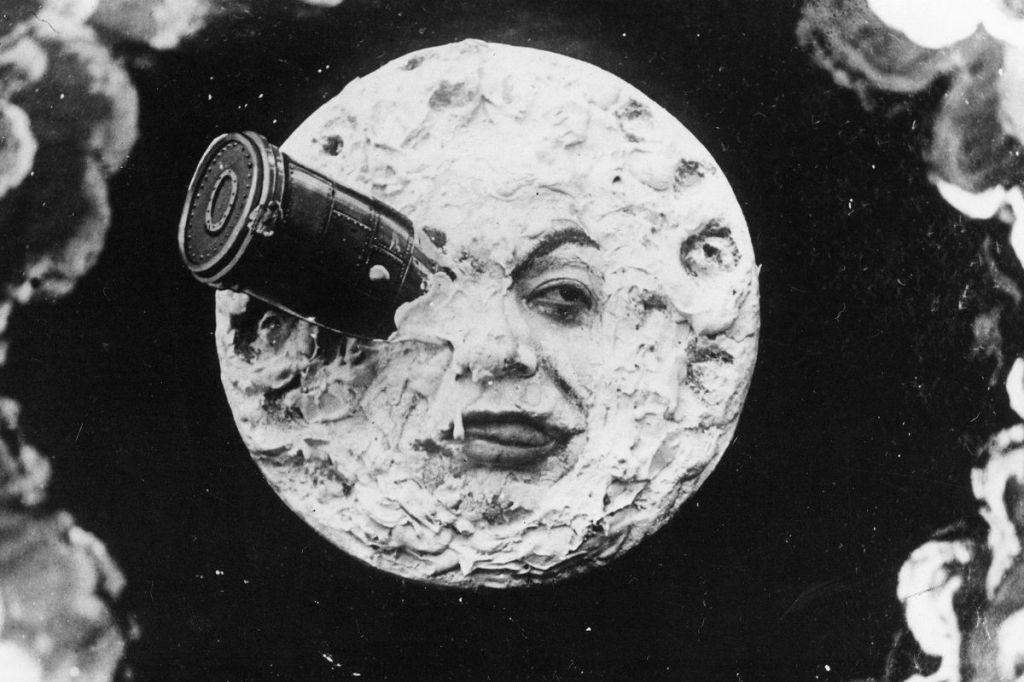
A lamp clicks on. A swath of gauzy light projects cinematically onto a chrome operating table, where an umbrella and a sewing machine are making love. Are about to make love. Have already made love. Their romance transcends tenses and conjugations. It is industrial burlesque in a vintage Parisian postcard bearing a blurry postmark from Siberia. The umbrella has a luscious kissprint branding its nylon. A cherry guppy O of a kissprint. The sewing machine is beaded in migrant sweat, its glisten both rummy and supernatural. Between vying artifices, the umbrella and sewing machine consummate. Labor’s love becomes their rhythmic repetitions, their morbid and inlaid fantasy of mesh on metal. Of mesh on metal on metal (let’s not forget the operating table). This illicit union calls for a song. You, who happen to be in the room, slide vinyl from its dusty sleeve and onto the turntable. You lower the needle. A phlegmatic hiccup, a fuzzy stutter becomes the abbreviated prologue to the song that begins playing. An onion-voiced chanteuse, half-bird, half-fox, sings a sugar-rimmed love song bubbling over in molten French. The umbrella, procuring titillation, teases off a swath of nylon, revealing a spindly limb of aluminum skeleton. The sewing machine responds in needlepoint pronunciations, the lusty mosaic of morse code. The moon is somewhere. It doesn’t matter where. It is somewhere—fat, hydrated, honeycombed. The umbrella and sewing machine, equally eyeless, operate through the vagaries of night-Braille. By the time their love affair is immortalized in the postcard you are now holding in your hand (not the same you who was in the room dropping vinyl onto a turntable), you will see two still objects placed in ceremonial proximity to one another, their amoral indiscretions underscored through scorch and lunacy.

 John Biscello